
"berry disease"
1000 article(s) found

Honduras New Deal to reduce the size of coffee producing areas boutique coffee beans
Everything happens for a reason, the berries believe. What you sow, you reap. Because it is now; it is the future. And we can't predict what the future results will be, so grasp the "cause" of your own species, cherish what you have in front of you, and if you want to change, there will be different results. So don't forget the original heart, stick to yourself. After all, whether the "fruit" is good or bad, the process of heart is worthy of praise.
Small fruit coffee (scientific name: Coffea arabica) also known as Arabica (Arabica)?
Small fruit coffee (scientific name: Coffea arabica), also known as Arabica (Arabica), is the most traditional Arabica coffee variety. Originally from East Africa, coffee was monopolized by the Arab world for a long time before the 15th century, so it was called Arabian coffee by Europeans. It turns out that all the commercial coffee in the world is small fruit coffee, but at the end of the 19th century, there was a big noodle.

Coffee varieties Arabica Coffee varieties Abstract what are the main varieties of fine coffee
Coffee can be divided into three main varieties, namely, Arabica (Coffea arabica), Robusta Coffea canephora (Robusta) and Liberia (Coffea liberica). Arabica is the main force of boutique coffee, suitable for growing at higher elevations, tastes better, is more delicate, needs care, and is the smallest of the three, so it is also known as

Coffee basic knowledge 17 pieces of common sense about coffee
If you love coffee, you must know its charm very well. The following brings you more common sense about coffee, which I believe will make your love for coffee deeper. 1. The first thing to do when you get up is not to drink coffee. Your body secretes a substance called cortisol, which keeps your brain awake and your body energized. The content of cortisol in human body
What kind of beans are 74110 in coffee? what do you mean? What are the seeds selected in Ethiopia
With the continuous development of boutique coffee, it is estimated that hundreds of varieties have been distinguished and named so far. I don't know if you have noticed that there are many varieties named after numbers, such as 74110, 74112 and so on. Today, in front of the street, I would like to talk to you about the resident guest of Ethiopia's COE: 74110.

Introduction to Santa Barara Manor San Juan Heido
Berries for everyone to popularize what is coffee leaf rust

Introduction to Santa Barara Manor in Honduras Coffee Manor
Berries for everyone to popularize what is coffee leaf rust

How to drink coffee to prevent disease? There are four rules for drinking coffee
Nowadays, coffee is no longer strange to the Chinese. Coffee shops in the city are all over the streets; in supermarkets and in front of vending machines, there are always people who pick up a bottle of canned coffee; and white-collar workers inevitably use coffee to refresh themselves during working hours. There is also an endless stream of research on coffee: new German research shows that drinking more coffee can help prevent hair loss in men; British dietary nutritionist
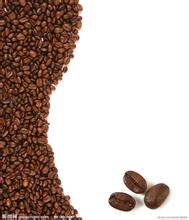
Arabica Coffee beans Coffee cultivation in China
Arabica coffee accounts for 70% of all coffee production, and its excellent flavor and aroma make it a direct drinkable coffee with only eight Arabica beans (8). But its resistance to dryness, frost, diseases and insect pests is too low, especially the natural enemy of coffee-leaf rust, so all producing countries are committed to

How are Katim coffee beans? Katim coffee beans have excellent flavor and rich acidity.
Professional Coffee knowledge Exchange more coffee bean information Please follow the front street of coffee workshop (Wechat official account cafe_style)-Katim Coffee varieties introduce Tim's poor production and great genetic variables, sometimes developing varieties resistant to leaf rust and varieties resistant to coffee berry disease, while some are extremely high-yielding. In 1955, the United States Government and the Portuguese Government jointly formed
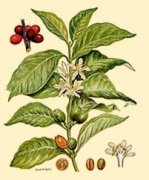
Coffee beans Coffee
There are about 60 species of coffee in the world, of which only 25 species are cultivated to make coffee, of which only 4 species are used as commercial coffee: large fruit coffee (Coffea liberica), medium fruit coffee (Coffea canephora), small fruit coffee (Coffea arabica) and high yield coffee (Coffea dewevrei). These are botanical names. Coffee in the world at present
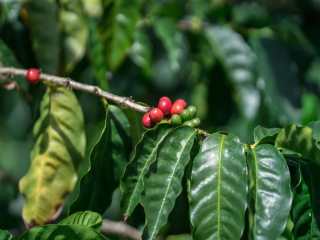
Flavor description of Yunnan Tieka Coffee beans introduction to the characteristics of varieties produced by taste treatment
Flavor description of Yunnan Ironpika Coffee beans Typica: the oldest native variety in Ethiopia and southeastern Sudan, all Arabica are derived from Tibica. Elegant flavor, but weak physique, poor disease resistance, fruit production
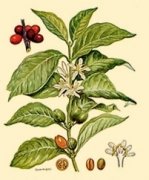
The basic concept of coffee beans
There are more than 60 species of coffee plants in the world, only 25 species are cultivated for coffee production, of which only 4 species are used as commercial coffee: Coffee liberica, Coffee canephora, Coffee arabica and Coffee deweverei, which are botanical scientific names. Coffee in the world today.
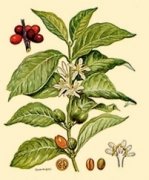
A family of coffee beans
There are about 60 species of coffee in the world, of which only 25 species are cultivated to make coffee, of which only 4 species are used as commercial coffee: large fruit coffee (Coffea liberica), medium fruit coffee (Coffea canephora), small fruit coffee (Coffea arabica) and high yield coffee (Coffea dewevrei). These are botanical names. Coffee in the world at present
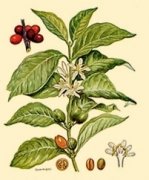
A family of coffee beans
There are about 60 species of coffee in the world, of which only 25 species are cultivated to make coffee, of which only 4 species are used as commercial coffee: large fruit coffee (Coffea liberica), medium fruit coffee (Coffea canephora), small fruit coffee (Coffea arabica) and high yield coffee (Coffea dewevrei). These are botanical names. Coffee in the world at present

Introduction of the Origin of the most traditional Arabica Coffee
Arabica (Coffea arabica) is the most traditional Arabica coffee variety. Originally from East Africa, coffee was monopolized by the Arab world for a long time before the 15th century, so it was called Arabian coffee by Europeans. It turned out that all the commercial coffee in the world were small grains, but it was only at the end of the 19th century that growers began to look for other resistance to a large-scale disease.

Detailed introduction of the varieties of Arabica beans
Follow the caf é (Wechat official account vdailycom) found that the beautiful cafe opened a small shop of its own. Arabica coffee accounted for 70% of all coffee production. Arabica coffee accounted for 80% of all coffee production. Its excellent flavor and aroma make it the only coffee that can be drunk directly. But its resistance to dryness, frost, diseases and insect pests is too low, and it is especially intolerant to coffee.

Boutique Coffee Analysis of Coffee beans
There are about 60 species of coffee in the world, of which only 25 species are cultivated to make coffee, of which only 4 species are used as commercial coffee: large fruit coffee (Coffea liberica), medium fruit coffee (Coffea canephora), small fruit coffee (Coffea arabica) and high yield coffee (Coffea dewevrei). These are botanical names. Coffee in the world at present
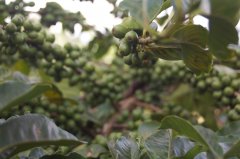
Flavor and taste characteristics of historical stories of Kenyan coffee varieties SL28 and SL34 Rui Lu 11 coffee beans
Today, the editor introduces the unique Kenyan coffee varieties SL28 and SL34, both of which are cultivated from Scott Laboratory (SL). They are selected varieties of a single variety after many times of cultivation, referred to as SL28 and SL34. It should be noted that 42 tree species were selected from different producing areas in the laboratory. SI is only the prefix name of the R & D series, which does not mean that they are all the same variety.
Introduction of Arabica Coffee Origin introduction of Arabica Coffee Manor
Arabica coffee accounts for 70% of all coffee production, and Arabica coffee accounts for 70% of all coffee products. its excellent flavor and aroma make it a direct drinkable coffee with only 8 Arabica beans (8). But its resistance to dryness, frost, diseases and insect pests is too low, especially the natural enemy of coffee-leaf rust, so all producing countries are in